In today’s connected world, staying online is no longer optional—it’s essential. Whether you’re working from home, attending online classes, or streaming your favorite shows, having a stable connection is crucial. Yet, many of us still face two frustrating issues: weak mobile signals and Wi-Fi dead zones.
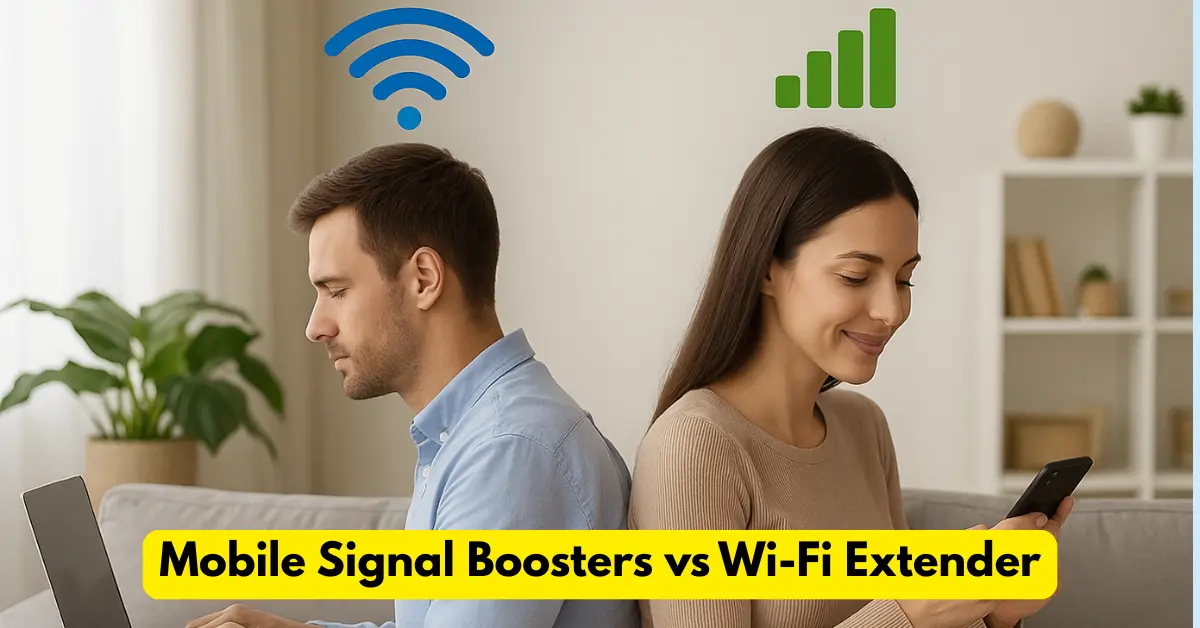
When these problems arise, people often look for solutions like mobile signal boosters and Wi-Fi extenders. While both improve connectivity, they work in completely different ways. This article breaks down the differences, benefits, and drawbacks of each to help you decide which one best suits your needs.
What Are Mobile Signal Boosters
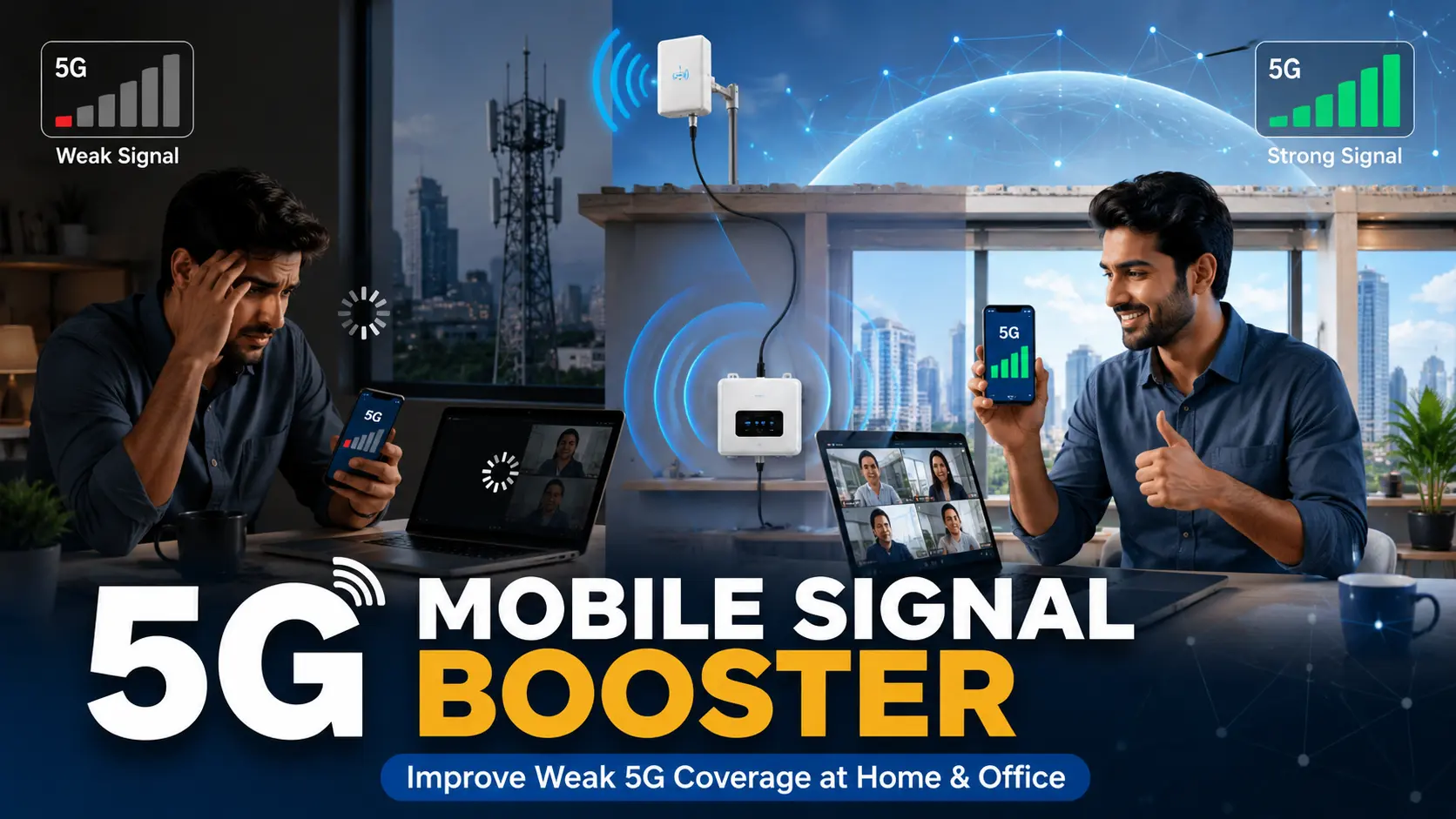
A mobile signal booster, also known as a cellular repeater or mobile signal amplifier, is a device designed to amplify weak cellular signals. It doesn’t create new signals—it simply strengthens the existing ones received from your nearby cell tower.
A typical mobile signal booster setup includes three main components:
-
Outdoor Antenna (Donor Antenna): Captures weak cellular signals from the nearest cell tower.
-
Amplifier Unit: Boosts the strength of the captured signal.
-
Indoor Antenna: Rebroadcasts the stronger signal inside your home, office, or vehicle.
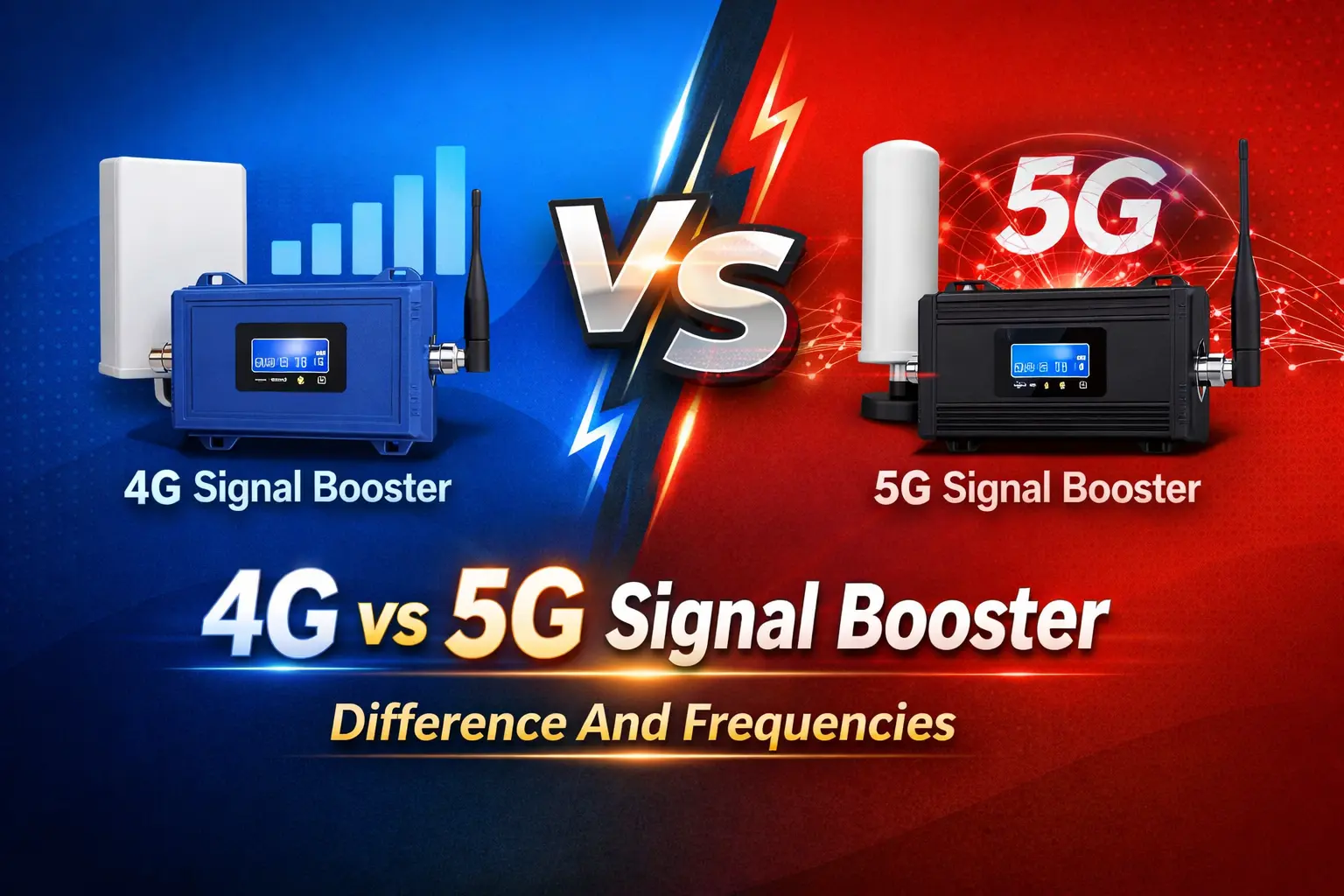
These devices support all major cellular networks—2G, 3G, 4G LTE, and even 5G—making them ideal for places where cell coverage is poor, such as rural areas, basements, or buildings with thick concrete walls.
According to Mobile Signal Amplifier, a leading brand in signal enhancement technology, boosters can improve call clarity, data speed, and reduce dropped calls by providing a consistent signal throughout your space.
Benefits Of Mobile Signal Boosters
-
Improved Call Quality and Fewer Dropped Calls
Weak cellular signals can cause poor voice quality or call drops. Boosters enhance your signal strength, ensuring stable and clear communication even in low-signal zones. -
Faster Data Speeds
A stronger signal means faster uploads, downloads, and smoother streaming. Ideal for professionals relying on mobile data. -
Better Coverage in Remote Areas
In rural or mountainous regions, cell towers are often miles away. A booster bridges that gap by amplifying the faint signal available outdoors. -
Works with All Carriers and Devices
Unlike Wi-Fi systems that depend on specific routers or networks, boosters are carrier-independent. They can simultaneously enhance connectivity for all users and all networks within range. -
No Internet Required
Boosters rely on cellular towers, not broadband. This means they’ll still work even if your Wi-Fi or internet connection goes down. -
Reduced Battery Drain
Phones use less power when connecting to a strong signal, helping your device’s battery last longer.
Benefits and Drawbacks Of Mobile Signal Boosters
While mobile boosters offer multiple benefits, there are some practical limitations to keep in mind:
✅Mobile Signal Boosters Pros
-
One-time investment—no recurring costs.
-
Works across multiple rooms or offices.
-
Can be installed in homes, cars, or commercial spaces.
❌ Mobile Signal Boosters Cons
-
Dependent on Existing Signal:
A booster cannot create a signal where none exists. If your outdoor signal is zero bars, the device won’t work effectively. -
Installation Complexity:
Proper placement of outdoor and indoor antennas is crucial. If installed incorrectly, performance drops or oscillation (feedback loop) can occur. -
Cost Factor:
High-quality boosters can be expensive upfront, especially for large coverage areas. -
Regulatory Restrictions:
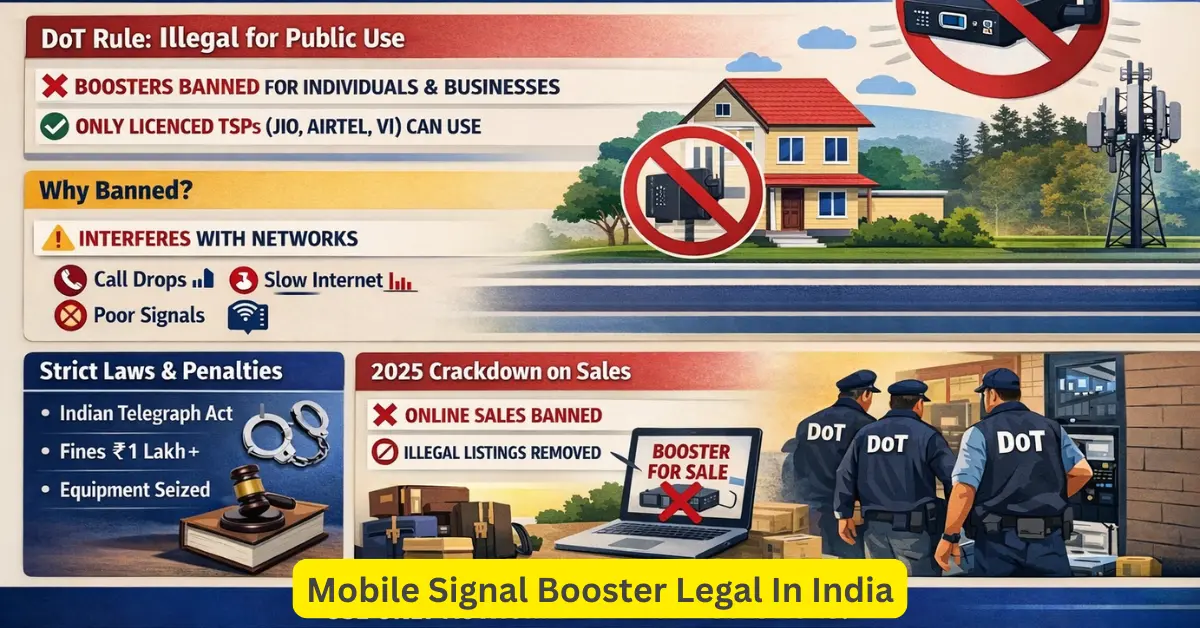
Some regions restrict unlicensed boosters due to potential interference with carrier networks.
What is Wi-Fi Extender
A Wi-Fi extender, also known as a Wi-Fi repeater or booster, expands the range of your existing wireless network. Instead of amplifying cellular signals, it rebroadcasts your Wi-Fi signal to cover areas your router can’t reach.
According to Netgear, Wi-Fi extenders work by receiving your router’s wireless signal and retransmitting it to eliminate dead zones in large homes, offices, or multi-floor buildings.
Wi-Fi extenders can be wireless or wired (using Ethernet or Powerline connections). The wired type provides stronger and more stable coverage since it doesn’t halve bandwidth during transmission.
Benefits Of Wi-Fi Booster
-
Eliminates Wi-Fi Dead Zones
If your router’s coverage doesn’t reach every corner of your house, a Wi-Fi extender fills the gaps to ensure seamless connectivity. -
Easy and Quick Setup
Most modern extenders are plug-and-play. You can set them up using a simple app or web interface within minutes. -
Affordable Solution
Compared to upgrading your router or installing a mesh system, Wi-Fi extenders are a budget-friendly way to boost coverage. -
Flexible Placement
You can reposition an extender to target specific weak spots, such as basements or upper floors. -
No Extra Subscription or Carrier Dependency
Extenders work independently of ISPs or mobile networks—just connect to your existing Wi-Fi.
Benefits and Drawbacks Of Wi-Fi Extenders
✅ Mobile Signal Boosters Pros
-
Cost-effective and easy to install.
-
Works with any standard Wi-Fi router.
-
Can extend coverage to outdoor areas like balconies or garages.
❌ Mobile Signal Boosters Cons
-
Reduced Speed
Wireless extenders typically cut bandwidth by 30–50%, as they receive and retransmit signals simultaneously (Wikipedia). -
Placement Sensitivity
If placed too far from the router, the extender just rebroadcasts a weak signal. Optimal placement midway between the router and dead zone is essential. -
Possible Latency Issues
Since the signal passes through an extra device, you might experience slightly higher latency, which can affect gaming or video calls. -
Network Switching Hassles
Some extenders broadcast a new SSID (e.g., “Home_WiFi_EXT”), requiring manual switching between networks as you move around. -
Limited Range for Large Homes
For very large areas, multiple extenders or a mesh network may be more effective.
Mobile Signal Boosters vs. Wi-Fi Extender: Which Should You Choose?
Although both devices improve connectivity, they solve different problems.
A mobile signal booster strengthens your cellular connection (voice, SMS, mobile data) by amplifying tower signals.
A Wi-Fi extender, on the other hand, strengthens your internet network coverage inside your home or office.
Here’s a quick comparison:
| Feature | Mobile Signal Booster | Wi-Fi Extender |
|---|---|---|
| Primary Function | Amplifies mobile/cellular signals | Expands Wi-Fi network coverage |
| Requires Internet? | ❌ No | ✅ Yes |
| Coverage Type | Cellular (2G–5G) | Wi-Fi (2.4GHz / 5GHz) |
| Ideal For | Calls, texts, mobile data | Internet browsing, streaming |
| Setup Complexity | Moderate | Easy |
| Device Dependency | Works for all mobile devices | Works for Wi-Fi-enabled devices only |
| Works During Internet Outage? | ✅ Yes | ❌ No |
Choose Mobile Signal Boosters If:
-
You live in a rural or hilly area with poor cellular coverage.
-
You often experience dropped calls or weak 4G/5G signals indoors.
-
You rely heavily on mobile data instead of home Wi-Fi.
-
You want an independent connectivity solution that doesn’t depend on your internet provider.
-
You need better coverage for multiple users or rooms.
Choose Wi-Fi Extender If:
-
You have strong internet service but poor Wi-Fi range inside your home.
-
Your main issue is slow browsing or buffering due to distance from the router.
-
You want a quick, affordable fix without complex installation.
-
You mainly use devices that rely on Wi-Fi, like laptops, TVs, and smart home devices.
-
You live in an apartment or small home where extending Wi-Fi range is enough.
Can You Use Both?
Absolutely! A mobile signal booster and a Wi-Fi extender serve different purposes, and using both can provide complete connectivity coverage.
-
Use a mobile signal booster to strengthen your cell phone network—perfect for calls and mobile internet.
-
Use a Wi-Fi extender to ensure your wireless broadband reaches every room for laptops, TVs, and smart devices.
They don’t interfere with each other since they operate on separate frequencies—cellular (800MHz to 2600MHz) vs Wi-Fi (2.4GHz/5GHz).
In fact, many homes and offices benefit from combining both, ensuring seamless phone service and uninterrupted internet access everywhere.
Conclusion
In summary, mobile signal boosters and Wi-Fi extenders might sound similar, but they solve entirely different problems.
A mobile signal booster enhances your phone’s ability to connect to cell towers, ensuring better call quality and mobile data speeds, especially in remote or low-signal areas.
A Wi-Fi extender, on the other hand, simply stretches the range of your existing Wi-Fi network to cover dead zones.
If you’re struggling with poor mobile reception—choose a signal booster.
If your issue is limited Wi-Fi range—go for a Wi-Fi extender.
And if you want the best of both worlds, using both together ensures that you’re always connected, no matter where you are in your home or office.